
Leadership failure rarely happens overnight. It is usually the result of consistent habits, blind spots, or neglected responsibilities. Below are five of the most common reasons leaders fail—across organizations, institutions, ministries, and businesses—and the lessons every leader must learn to avoid them.
1. Lack of Character and Integrity

Skill can attract followers, but character sustains leadership.
Many leaders fail not because they are incompetent, but because they compromise values—lying, manipulating, abusing power, or acting selfishly. Once trust is broken, authority weakens, morale drops, and influence fades.
Key lesson:
Leadership without integrity is temporary. People may obey your position, but they will never commit their hearts.
2. Inability to Develop People

Leaders who focus only on results and neglect people eventually hit a wall.
When leaders fail to train, mentor, delegate, and empower others, everything depends on them alone. This leads to burnout, bottlenecks, low morale, and organizational stagnation.
Key lesson:
A leader’s success is measured not by how much they do, but by how many capable people they raise.
3. Poor Communication and Vision Drift

Many leaders fail because people no longer understand where they are going or why.
Unclear goals, inconsistent messages, or silence during critical moments create confusion. When vision is not communicated repeatedly and clearly, alignment is lost and productivity declines.
Key lesson:
If people don’t understand the vision, they will invent their own—and that usually leads to chaos.
4. Resistance to Feedback and Learning
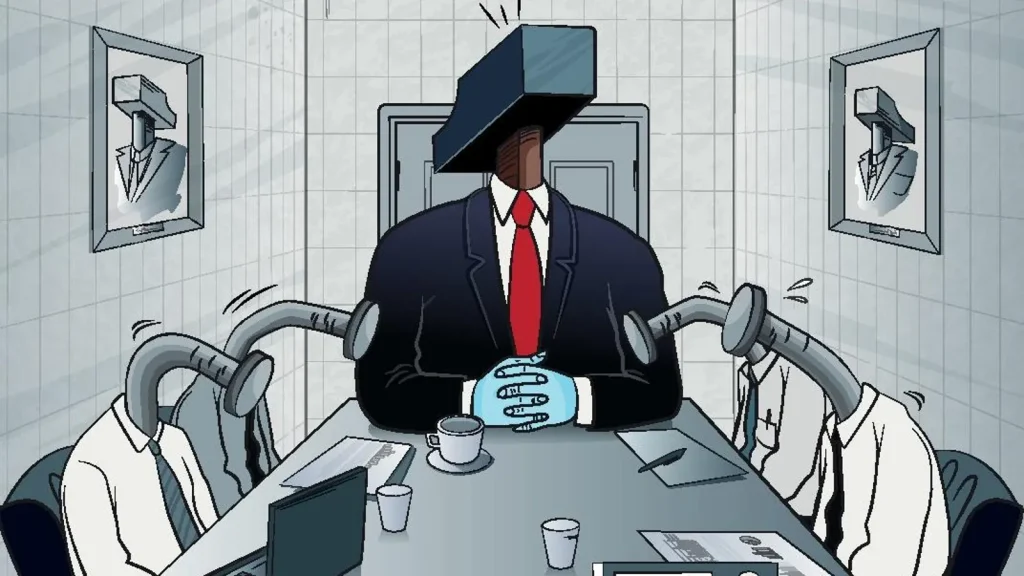
Leaders who believe they “know it all” stop growing—and start declining.
Ignoring feedback, rejecting correction, or surrounding oneself with yes-men leads to blind spots. Markets change, people evolve, and organizations grow—but stagnant leaders fall behind.
Key lesson:
The moment a leader stops learning is the moment leadership effectiveness begins to decline.
5. Abuse of Power and Ego-Driven Leadership

Ego is one of the fastest destroyers of leadership.
When leadership becomes about control, status, or personal glory, people feel used rather than valued. Fear replaces trust, creativity shuts down, and commitment disappears.
Key lesson:
Leadership is stewardship, not ownership. The moment leadership serves ego instead of purpose, failure is inevitable.
Conclusion: Failure Is Avoidable—but Not Automatic
Leadership failure is not destiny; it is often the result of ignored principles. Leaders who guard their character, invest in people, communicate clearly, remain teachable, and lead with humility build sustainable influence and lasting impact.
True leadership success is not measured by position held, but by trust earned, people developed, and purpose fulfilled.